


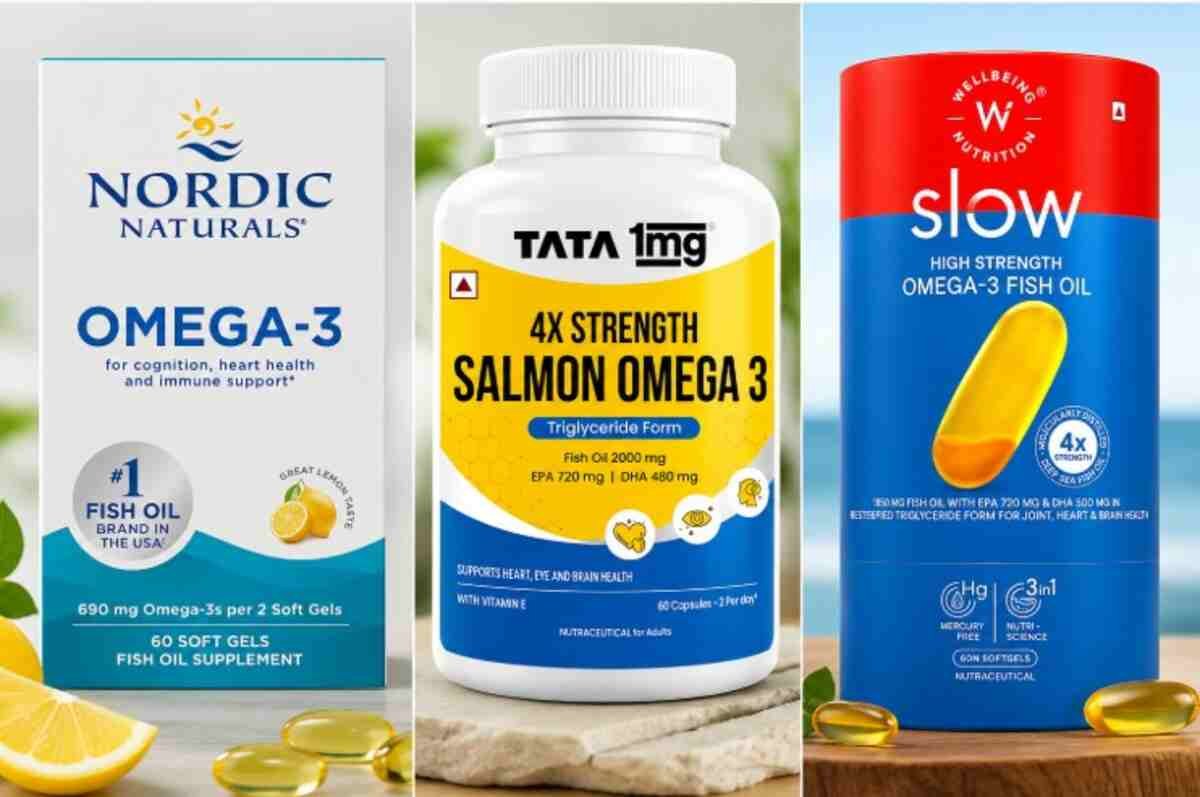
The number on the front of the bottle is not the number your body absorbs. In terms of heart health, the EPA/DHA is the most important quantity to look at. Here are three supplements that do it right.
The majority of consumers opt for an omega-3 supplement based on a single criterion, which is the milligrams printed on the box. However, two capsules containing the same amounts of EPA and DHA can supply different amounts of effective omega-3 due to the fact that the absorption rate varies significantly depending on the molecular structure of the substance.
This point is most important regarding the effects on heart health, which serves as the main motive for Indians using fish oil. Cardiovascular advantages of omega-3 intake are linked to the amount of these substances entering the bloodstream and affecting tissues. Therefore, when buying a relatively cheap oil in a less absorbable form, consumers will be paying for something that gets less absorbed in their blood especially when taken without dietary fat.
Here is what this debate is all about, and three omega-3 supplements used in India containing the more absorbable form.
Difference between Triglyceride and Ethyl Ester: The One Thing You Should Note About This Labeling
The omega-3 present in fish is in the form of a triglyceride (TG) structure – exactly the same way it is in the food you consume that the body takes up easily. As such, when fish oil is highly concentrated with a high amount of EPA and DHA per unit capsule, the omega-3 is transformed to an ethyl ester (EE) structure bonded with an ethanol molecule that has to be removed by the gut in order to be absorbed. Some cheaper brands simply leave it at that point and offer ethyl-ester concentrate, while some advanced brands go one step further and transform it back to re-esterified triglyceride (rTG).
It has been well established. In a head-to-head study conducted by Dyerberg et al., it was found that the bioavailability in relation to fish oil was about 124% for re-esterified triglyceride compared to only 73% for ethyl ester form, which means that the triglyceride form is absorbed better compared to the ethyl-ester form. Others discovered that ethyl esters may have lower absorption when consumed on an empty stomach and become less when taken with a high fat meal.
Another trap for labels that you should be aware of is when you see “1000 mg fish oil” on a bottle; this would only include about 300 mg of EPA and DHA combined since the average fish oil content of omega-3 is 30%. Thus, the two items to look out for in a bottle would be EPA/DHA content and the form itself. With this in mind, here are three examples using triglyceride form.
- Nordic Naturals — the triglyceride gold standard
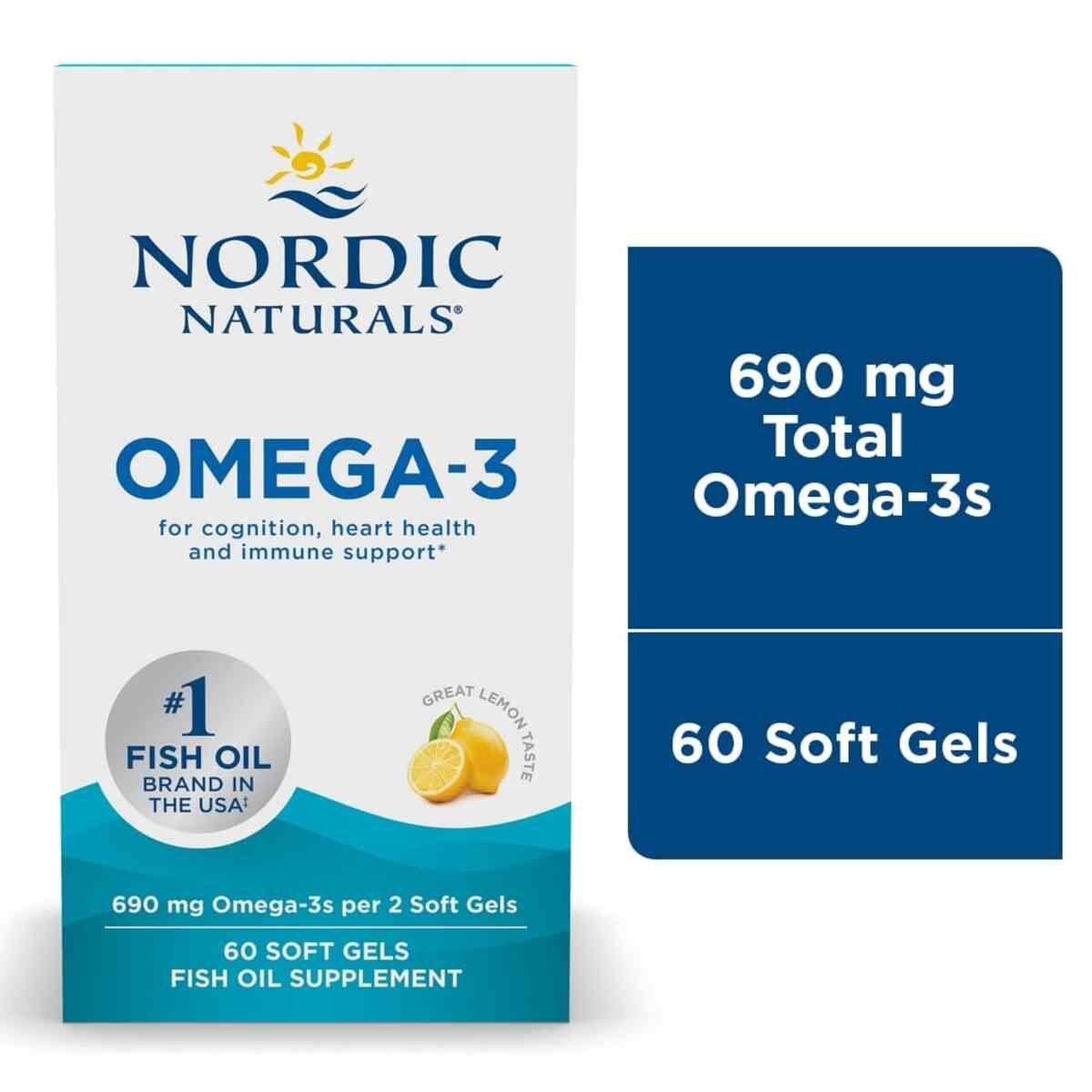
The company most strongly associated with the triglyceride method is Nordic Naturals. It uses fish oil in its re-esterified triglyceride (rTG) form, the optimal form according to Dyerberg et al., and tests every single batch independently for quality and issues public certification of each batch. It offers its Ultimate Omega at 650 mg EPA and 450 mg DHA in one serving. This product is the most expensive option on this list because it is an imported premium brand, but for those who demand the ultimate absorbability and complete test data, it is the benchmark that others have to be compared with.
Best for: consumers demanding the top-of-the-line rTG form with independent testing.
- Tata 1mg Salmon 4X Omega-3 – the triglyceride omega-3 option for heart health
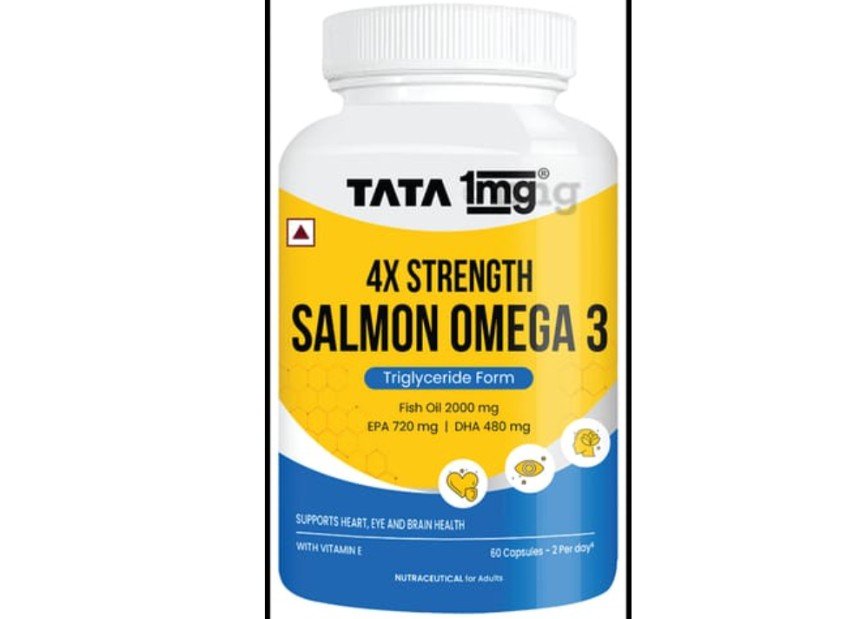
The high-end omega-3 SKUs from Tata 1mg have been created in triglyceride format for easy absorption, thus providing a good heart-health product in the affordable Indian price category. The Salmon 4X has 720 mg of EPA and 480 mg of DHA from salmon fish, and the 7X Strength has 1,215 mg of EPA and 864 mg of DHA, both in triglyceride format, supplemented with vitamin E, and no fishy burps guaranteed. The 7X is free of mercury and has gone through NABL testing. For those who are looking for a well-absorbed omega-3 supplement for heart, brain, and eye health without importing it, the above options suit their needs perfectly.
Best for: those who prefer the triglyceride format for heart health and heavy metal third-party testing
3. Wellbeing Nutrition – the concentrated triglyceride variant
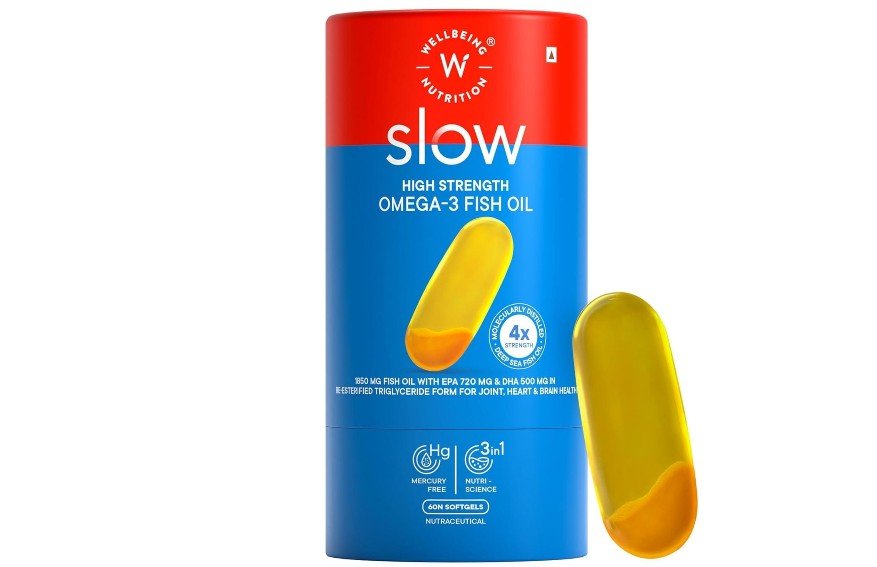
Finally, Wellbeing Nutrition offers a fish oil in triglyceride form, based on the same rationale of increased absorption, mixing the high (77-83%) level of omega-3 with curcumin and thus offering a significant increase in bioavailability compared to ordinary ethyl-ester oils. Third-party verified for heavy metal contamination, its triple-strength formula contains 612 mg of EPA and 408 mg of DHA. An upper-end choice from India for those seeking both the absorbable oil and the extra antioxidant effect.
Best for: consumers looking for an Indian oil in triglyceride form with curcumin
If you’re looking for the omega-3 that will help your heart the most, then there’s really only one action you need to take at the outset: stop reading the front of the pack and turn to the back. “Fish oil” number tells you very little – it’s the form of the oil that counts and the better-absorbed triglyceride form beats the ethyl-ester concentrate found in cheap oils hands down. That’s the only piece of information that will tell you whether the omega-3 supplement you’re taking is working for you or not. Luckily, all three of our recommendations are based on the more absorbable triglyceride form. This way, regardless of which of these choices your wallet allows, you just have to check the numbers of EPA and DHA and make sure the oil is in the better-absorbed triglyceride form. Then take it with meals to maximize benefits.
Disclaimer: This comparison is for informational purposes only; consult a healthcare professional before choosing an omega-3 supplement, particularly if you have a medical condition, take medication or require a higher dose.


